Boost Sales from Website Traffic

Have you ever considered the true potential of your website beyond just visitor counts? What if each click could lead to a loyal customer? Understanding conversion rates is not just an academic exercise; it’s a pivotal factor in your digital marketing success.
What You Will Learn
- Conversion rates are crucial indicators of your marketing effectiveness and customer engagement.
- Identifying your target audience helps tailor messaging that resonates, boosting conversions.
- Implementing Conversion Rate Optimization (CRO) techniques can significantly enhance website performance.
- Strong call-to-actions (CTAs) paired with compelling lead magnets can drive immediate user action.
- Engaging with your audience through feedback fosters loyalty and continuous improvement.
The CRO Process: Turning Traffic into Sales
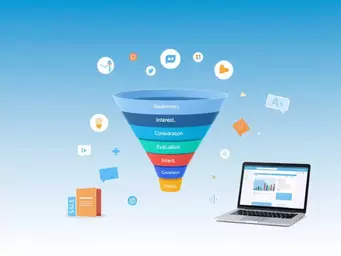
Understanding and optimizing your conversion rates is crucial for business growth. This visual outlines the key strategies and steps involved in converting website traffic into loyal customers.
Step 1: Identify Target Audience
Tailor messaging by understanding interests, demographics, and pain points through buyer personas, surveys, and analytics.
Step 2: Conversion Rate Optimization (CRO)
Enhance website performance through user testing, layout optimization, and improved content quality.
Step 3: Key Conversion Strategies
Implement lead magnets, strong CTAs, leverage social proof, and optimize landing pages for engagement.
Step 4: Actionable Implementation
Conduct website audits, create content calendars, track metrics with Google Analytics, and test CTAs.
Step 5: Engage for Success
Encourage feedback, use surveys, host Q&A sessions, and respond promptly to foster connection.
Step 6: Utilize CRM
Track interactions, segment audiences, automate follow-ups, and analyze data to improve offerings.
Understanding the Importance of Converting Website Traffic into Sales
Have you ever wondered why so many businesses focus on their conversion rates? In the digital marketing world, conversion rates can significantly impact the overall success of your business. When you convert website traffic into sales, you’re not just counting visitors; you’re turning interest into tangible results. This process is critical for anyone looking to thrive in the crowded online marketplace.
At BCallen Insights, we understand that enhancing your conversion rates can make a world of difference. It’s about transforming curious visitors into loyal customers who see the value in what you offer. This journey from interest to action is what keeps your business growing!
Why Conversion Rates Matter in Digital Marketing
Conversion rates are more than just numbers; they reflect the effectiveness of your marketing strategies. A high conversion rate often indicates that you’re successfully meeting the needs of your audience and providing compelling reasons for them to engage with your business. It’s not just about traffic; it’s about quality traffic that leads to sales.
- Identifying successful marketing campaigns
- Measuring customer engagement and satisfaction
- Assessing the efficiency of your sales funnel
When you focus on improving your conversion rates, you’re essentially examining the entire customer journey. This can lead to more informed decisions on where to invest your marketing resources, ensuring you're spending wisely. For further insights into industry benchmarks, check out Invesp's analysis of average website conversion rates by industry.
Identifying Your Target Audience for Effective Conversion Strategies
Knowing your target audience is the cornerstone of any successful marketing effort. When you understand who your customers are—their interests, demographics, and pain points—you can tailor your messaging and offerings to resonate with them. This insight helps you convert more visitors into buyers.
- Create buyer personas based on research
- Utilize surveys and feedback to understand customer needs
- Analyze website analytics to assess visitor behavior
At BCallen Insights, we emphasize the importance of creating personalized experiences. By aligning your strategies with your audience's preferences, you enhance the chances of successful conversions. For more details on understanding customer behavior, explore resources like CleverTap's guide on optimizing website conversion rates.
Understanding Conversion Rate Optimization (CRO) for Better Performance
Conversion Rate Optimization (CRO) is an ongoing process that focuses on enhancing the performance of your website to boost sales. By analyzing user behavior, conducting A/B tests, and making data-driven adjustments, you can effectively increase your conversion rates.
- Conducting user testing to identify friction points
- Optimizing website layout for better navigation
- Improving content quality to engage visitors
In my experience, applying CRO principles not only improves your conversion rates but also creates a better overall user experience. It’s about finding the right balance between usability and persuasive marketing! So, let's dive deeper into actionable strategies to boost those conversions in the next section. For a comprehensive overview of CRO, you might find Matomo's FAQ on Conversion Rate Optimization helpful.
Engage with Your Audience!
We'd love to know your thoughts! What strategies have you found most effective in converting website traffic into sales? Share your experiences with us:
Summarizing Key Strategies to Convert Traffic into Sales
As we dive deeper into the realm of conversion optimization, it’s crucial to highlight the strategies that can effectively turn casual visitors into loyal customers. By focusing on the right tactics, you can not only boost your conversion rates but also enhance the overall user experience on your site. Here are some essential takeaways to keep in mind:
- Identify your target audience to tailor your messaging effectively.
- Create compelling lead magnets that offer real value to your visitors.
- Implement strong call-to-actions (CTAs) that encourage immediate action.
- Leverage social proof to build trust and credibility with potential customers.
- Optimize your landing pages for better user engagement and retention.
These key strategies provide a roadmap for enhancing your digital marketing efforts. Remember, it’s about creating a seamless journey for your users, guiding them through the process from interest to conversion. As the founder of BCallen Insights, I’ve seen firsthand how these strategies can revolutionize a business's online presence.
Next Steps for Implementing Conversion Strategies on Your Website
Now that you have a solid grasp of the essential strategies, let's discuss actionable next steps to implement these approaches on your website. It's time to take that knowledge and turn it into practice! Here are some steps to get started:
- Conduct an audit of your current website to identify areas for improvement.
- Develop a content calendar for creating lead magnets and regular blog posts.
- Set up Google Analytics to track user behavior and conversion metrics.
- Design and test different CTAs to see which ones resonate most with your audience.
- Collect and showcase testimonials and online reviews to enhance credibility.
Implementing these steps will not only help you convert traffic into sales but also enrich the overall user experience. As you progress, don’t hesitate to adjust your strategies based on the data you gather. The world of digital marketing is ever-evolving, and keeping an eye on performance will ensure that you remain competitive.
Frequently Asked Questions About Converting Website Traffic
Here are some common questions about turning website visitors into paying customers:
- What exactly is a conversion rate?
- A conversion rate is the percentage of website visitors who complete a desired goal (a "conversion") out of the total number of visitors. This goal could be making a purchase, filling out a form, or signing up for a newsletter.
- Why is identifying my target audience so important for conversions?
- Understanding your target audience—their demographics, interests, and pain points—allows you to tailor your website content, messaging, and offers to directly address their needs. This personalization makes your site more relevant and appealing, significantly increasing the likelihood of conversion.
- What is Conversion Rate Optimization (CRO)?
- CRO is the systematic process of increasing the percentage of website visitors who take a desired action. It involves analyzing user behavior, conducting A/B tests, and making data-driven adjustments to your website design, content, and calls-to-action to improve its efficiency.
- What are "lead magnets" and "CTAs," and how do they help?
- A lead magnet is a valuable piece of content or offer (e.g., an e-book, free trial, webinar) given to prospective customers in exchange for their contact information. A Call-to-Action (CTA) is a prompt on your website that tells the user what to do next (e.g., "Buy Now," "Sign Up for Free," "Download the Report"). Both are crucial for guiding users toward conversion by providing clear value and direction.
- How can I use feedback to improve my website's conversion rate?
- Encouraging and analyzing user feedback through surveys, comments, and direct interactions provides invaluable insights into what's working and what isn't on your site. Addressing user pain points and implementing their suggestions can significantly enhance user experience and, consequently, conversion rates.
Engaging Your Audience for Continued Success
Engagement is a key element in not just attracting customers, but retaining them. When you foster a community that values interaction and connection, your business thrives. At BCallen Insights, we believe that building relationships with your audience is essential for long-term success.
Encouraging Feedback and Interaction for Enhanced User Experience
Encouraging your audience to provide feedback can yield invaluable insights! Not only does it show that you care about their opinions, but it also helps refine your offerings. Consider incorporating the following approaches:
- Invite readers to leave comments on your blog posts.
- Use surveys to gather direct feedback about their experiences.
- Hold Q&A sessions on social media platforms or your website.
- Respond to customer inquiries promptly to foster connection.
Each interaction is an opportunity to learn and improve, so don’t underestimate the power of engaging your audience!
Exploring Further Resources and Tools for Digital Marketing Success
As you continue to enhance your digital marketing strategies, consider exploring additional resources and tools that can aid your journey. Here are a few I highly recommend:
- SEMrush: A robust tool for SEO analytics and keyword research.
- Canva: An easy-to-use platform for creating engaging visuals for your content.
- Mailchimp: A fantastic email marketing service to help with lead nurturing.
- Hotjar: Useful for understanding user behavior on your website through heat maps.
These resources can amplify your efforts, allowing you to implement data-driven strategies and improve your overall marketing approach. For more detailed strategies on converting website visitors into sales, resources like Unbounce's guide on converting website visitors offer additional practical advice.
Understanding the Role of Customer Relationship Management (CRM) in Engagement
Finally, let’s talk about the importance of Customer Relationship Management (CRM). A solid CRM system can significantly streamline your engagement efforts, helping you maintain connections with your customers. Here’s how:
- Track customer interactions to personalize your communication.
- Segment your audience for targeted marketing campaigns.
- Automate follow-up communications to save time and ensure consistency.
- Analyze customer data to improve your offerings and strategies.
By investing in a good CRM system, you can foster deeper relationships with your customers, which is crucial for building loyalty and driving repeat sales. Remember, engagement doesn’t end at the sale; it’s an ongoing relationship that requires attention and care! To better understand how CRM impacts sales, consider exploring articles from experts like Ruler Analytics on converting website traffic to sales.
Recap of Key Points
Here is a quick recap of the important points discussed in the article:
- Understand the significance of conversion rates in digital marketing to drive business success.
- Identify your target audience to tailor messaging and improve engagement.
- Utilize Conversion Rate Optimization (CRO) techniques to enhance website performance.
- Create compelling lead magnets and strong call-to-actions (CTAs) to encourage conversions.
- Engage your audience through feedback and interaction to foster community and loyalty.