Understanding the Marketing Funnel Process
What if you could transform your marketing strategies by understanding the journey of your customers? By mastering the digital marketing funnel, you can guide your audience from mere awareness to passionate advocacy for your brand. Let's explore the key insights that will elevate your marketing game!
What You Will Learn
- Awareness Stage: Capture attention with engaging content that creates memorable first impressions.
- Consideration Stage: Nurture leads with valuable information that helps them evaluate your offerings.
- Conversion Stage: Implement clear, compelling calls-to-action to motivate prospects to make a purchase.
- Customer Journey Mapping: Identify key touchpoints to enhance customer experience and engagement at every stage of the funnel.
- TOFU, MOFU, BOFU: Tailor your marketing efforts based on the funnel segments to increase conversion rates.
- Growth Hacking Techniques: Use analytics and A/B testing to refine strategies and improve marketing effectiveness.
Digital Marketing Funnel Overview
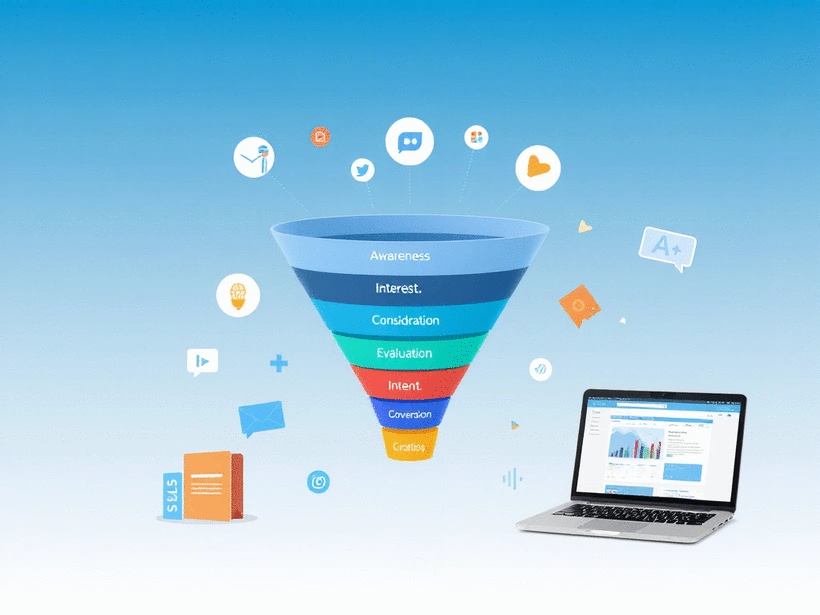
The digital marketing funnel guides prospects through critical stages: Awareness, Consideration, and Conversion. Each stage has unique touchpoints and strategies to engage and convert your audience.
Awareness (TOFU)
Grab attention, make a memorable first impression. Cast a wide net to attract a large audience.
Consideration (MOFU)
Nurture leads with valuable content. Potential customers weigh their options.
Conversion (BOFU)
Close the deal, transform prospects into paying customers. Seal the deal!
Growth Hacking
Enhance funnel management: Leverage Analytics, Test & Iterate, Utilize Automation.
Understanding the Digital Marketing Funnel Stages
As a seasoned digital marketing strategist, I've navigated the complex landscape of online business, and one key concept that has revolutionized my approach is the digital marketing funnel. This framework allows us to understand how our customers move from being mere spectators to becoming loyal advocates of our brand. It’s all about guiding prospects through three critical stages: awareness, consideration, and conversion. For a comprehensive understanding, you can refer to insights from West Virginia University's Marketing Communications Today blog.

Each stage of the funnel plays a vital role in shaping the customer experience. The awareness stage is where potential customers first encounter your brand, the consideration stage involves evaluating your offerings, and finally, the conversion stage is all about sealing the deal. By mastering these stages, we can create a powerful marketing strategy that resonates with our audience!
Defining the Digital Marketing Funnel: Awareness, Consideration, and Conversion
The digital marketing funnel can be broken down into three primary stages:
- Awareness: This is where you grab the attention of your target audience. They may not know about your brand yet, so it's crucial to make a memorable first impression.
- Consideration: Here, potential customers are weighing their options. They’re looking for more information about your products or services.
- Conversion: Finally, this stage is about transforming interested prospects into paying customers. This is where your marketing efforts reach their culmination!
By understanding this structure, you can tailor your marketing efforts to effectively guide customers from one stage to the next. Each stage requires its own set of strategies to maximize engagement and ultimately drive sales.
Importance of Recognizing TOFU, MOFU, and BOFU in Your Strategy
Within the digital marketing funnel, we often hear terms like TOFU (Top of Funnel), MOFU (Middle of Funnel), and BOFU (Bottom of Funnel). Recognizing these segments is essential because they indicate where your audience is on their journey:
- TOFU: This is where you cast a wide net to attract a large audience. Think blog posts, social media updates, and videos that spark interest!
- MOFU: In this stage, you nurture your leads with valuable content that helps them evaluate their options, such as e-books, case studies, and webinars.
- BOFU: Here, you're ready to close the deal! This includes product demos, free trials, and compelling calls to action that motivate prospects to make a purchase.
By recognizing the specific needs at each funnel stage, you can craft content and campaigns tailored to your audience's behaviors and preferences, ultimately leading to higher conversion rates.
Mapping the Customer Journey Across the Funnel Stages
Mapping out the customer journey is vital to understanding how individuals interact with your brand throughout the funnel. This can be done by identifying key touchpoints that influence decision-making:
- Awareness Touchpoints: Social media ads, blog articles, podcasts, and influencer content.
- Consideration Touchpoints: Email newsletters, product comparison pages, testimonials, and webinars.
- Conversion Touchpoints: Checkout pages, promotional offers, and customer service interactions.
Creating a visual representation of this journey not only helps you refine your marketing strategies but also enhances the customer experience. By ensuring that each touchpoint is optimized for engagement, you can effectively guide prospects through the funnel. For further reading on customer journey mapping, consider this academic perspective from the University of Pennsylvania.
Pro Tip
To truly maximize the effectiveness of your digital marketing funnel, consider implementing retargeting strategies at each stage. For instance, after a user interacts with your awareness content, use targeted ads to remind them of your offerings during the consideration phase. This keeps your brand top-of-mind and significantly increases the chances of conversion!
Frequently Asked Questions About the Digital Marketing Funnel
What are the main stages of the digital marketing funnel?
The main stages are Awareness, Consideration, and Conversion. These guide prospects from first encountering your brand to becoming paying customers.
What do TOFU, MOFU, and BOFU mean?
TOFU (Top of Funnel) is for attracting a broad audience. MOFU (Middle of Funnel) is for nurturing leads with valuable content. BOFU (Bottom of Funnel) is for closing the deal and converting prospects into customers.
Why is customer journey mapping important?
Customer journey mapping helps identify key touchpoints at each stage of the funnel, allowing marketers to refine strategies, optimize engagement, and enhance the overall customer experience.
What are some growth hacking techniques for funnel management?
Growth hacking techniques include leveraging analytics for data-driven decisions, continuous A/B testing, and utilizing marketing automation tools to streamline processes and improve efficiency.
How can I improve conversion rates in my digital marketing funnel?
Improving conversion rates involves tailoring content to each funnel stage (TOFU, MOFU, BOFU), implementing clear calls-to-action, and optimizing touchpoints based on customer journey mapping and analytics.
Key Insights and Takeaways on Navigating the Digital Marketing Funnel
As we explore the digital marketing funnel, it’s vital to recognize that each stage holds its own significance in driving sales. The funnel isn’t just a linear path; it’s a series of strategic interactions that lead to conversions. Each phase—Awareness, Consideration, and Conversion—plays a crucial role in engaging prospects and nurturing them until they become loyal customers. A detailed study on digital marketing funnels can be found in the Journal of Applied Management and Business.
Understanding this dynamic can empower marketers to tailor their strategies effectively. For example, utilizing content marketing during the Awareness stage can attract potential customers, while personalized email campaigns in the Consideration phase can foster trust. Each step is interconnected, driving us closer to conversions and enhancing the customer journey.

Summarizing the Importance of Each Funnel Stage in Driving Sales
- Awareness: This is where you capture attention, making first impressions that can last a lifetime.
- Consideration: Here, you build trust by providing valuable information that resonates with your audience.
- Conversion: This final stage is focused on sealing the deal, transforming interested leads into paying customers.
By understanding and optimizing each stage, you can create a seamless experience for your customers. This approach not only enhances the likelihood of conversions but also builds a lasting relationship with your audience, encouraging repeat business and loyalty.
Next Steps: Implementing a Comprehensive Digital Marketing Funnel Strategy
Actionable Tips for Marketers to Enhance Each Stage of the Funnel
Now that we've dissected the funnel, let's talk about how you can put these insights into action. Here are some practical steps you can take for each stage:
- Awareness: Leverage social media platforms and engaging content to reach new audiences.
- Consideration: Use targeted email marketing to nurture leads with tailored content that speaks to their needs.
- Conversion: Implement clear and compelling calls-to-action that guide prospects toward making a decision.
These tips can make a significant difference in how you approach your marketing strategy. Remember, the key is to continually assess what works and remain agile in your tactics.
Encouraging Engagement: Sharing Your Experiences and Questions
I’d love to hear your thoughts on navigating the digital marketing funnel! Have you found specific strategies that resonate with your audience? Or maybe you have questions about certain tactics? Engaging with your audience can provide valuable insights and foster a sense of community, making your digital marketing journey even more rewarding.
Exploring Growth Hacking Techniques for Effective Funnel Management
Lastly, let's explore some innovative growth hacking techniques that can enhance your funnel management:
- Leverage Analytics: Utilize data to refine your strategies at each stage of the funnel.
- Test and Iterate: Continuously A/B test your marketing efforts to see what resonates best.
- Utilize Automation: Use marketing automation tools to streamline processes and save time.
Adopting these growth hacking techniques can lead to improved efficiency and effectiveness in your marketing efforts, ultimately driving better results along your digital marketing funnel.
Recap of Key Points
Here is a quick recap of the important points discussed in the article:
- Understand the Funnel Stages: Familiarize yourself with the three key stages: Awareness, Consideration, and Conversion, to guide marketing strategies.
- Recognize TOFU, MOFU, and BOFU: Tailor content strategies to meet the needs of potential customers at each stage of their journey.
- Map the Customer Journey: Identify key touchpoints for each funnel stage to create a seamless experience that enhances engagement.
- Actionable Tips: Utilize social media for awareness, targeted emails for consideration, and clear calls-to-action for conversions.
- Implement Growth Hacking Techniques: Leverage analytics, A/B testing, and automation to optimize funnel management and drive better results.